



Applications
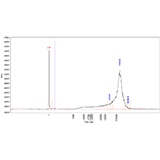
HMW DNA extraction for long read sequencing
Learn more about efficient HMW DNA isolation in our Application Note. We compared extraction performance from blood based on DNA yield, purity, and integrity between two automated nucleic acid extraction systems.
Learn more about efficient HMW DNA isolation in our Application Note. We compared extraction performance from blood based on DNA yield, purity, and integrity between two automated nucleic acid extraction systems.
Biobanking
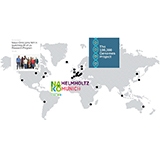
Drawing on extensive expertise in high-throughput extractions across diverse sample types such as blood, buffy coat, swabs, and saliva, we have established a global presence in biobanking. Our chemagic nucleic acid isolation ensures archive-quality specimens, and our ability to automate entire workflows, from primary sample handling to downstream QC and assay setup, has positioned us as a trusted collaborator in various population genetic cohort studies.
Our contributions extend to notable initiatives like the "All of Us Research Programme" from the Mayo Clinic7, the German National Cohort/NAKO Gesundheitsstudie8, and the British Initiative, including the 100,000 Genomes Project, among others.
Drawing on extensive expertise in high-throughput extractions across diverse sample types such as blood, buffy coat, swabs, and saliva, we have established a global presence in biobanking. Our chemagic nucleic acid isolation ensures archive-quality specimens, and our ability to automate entire workflows, from primary sample handling to downstream QC and assay setup, has positioned us as a trusted collaborator in various population genetic cohort studies.
Our contributions extend to notable initiatives like the "All of Us Research Programme" from the Mayo Clinic7, the German National Cohort/NAKO Gesundheitsstudie8, and the British Initiative, including the 100,000 Genomes Project, among others.

Whole genome sequencing with Oxford Nanopore
Discover how a leading laboratory enhanced their Oxford Nanopore ligation-based whole genome sequencing workflow by incorporating chemagic-purified high molecular weight DNA extraction.
This optimization demonstrates the critical impact of upstream sample preparation on downstream sequencing quality and data integrity.
Discover how a leading laboratory enhanced their Oxford Nanopore ligation-based whole genome sequencing workflow by incorporating chemagic-purified high molecular weight DNA extraction.
This optimization demonstrates the critical impact of upstream sample preparation on downstream sequencing quality and data integrity.

High molecular weight DNA extraction advances
Read this article on Biocompare which examines breakthrough automated high molecular weight (HMW) DNA extraction technologies that preserve DNA fragments over 100 kb while reducing processing time from hours to minutes. The key innovation involves transitioning from traditional silica membranes to automated magnetic bead-based systems like chemagic™, which enable gentler handling and reduced DNA shearing essential for long-read sequencing applications. These advances particularly benefit challenging samples such as FFPE tissues and forensic materials, while supporting the growing demands of personalized medicine and clinical diagnostics requiring high-quality genomic data.
Read this article on Biocompare which examines breakthrough automated high molecular weight (HMW) DNA extraction technologies that preserve DNA fragments over 100 kb while reducing processing time from hours to minutes. The key innovation involves transitioning from traditional silica membranes to automated magnetic bead-based systems like chemagic™, which enable gentler handling and reduced DNA shearing essential for long-read sequencing applications. These advances particularly benefit challenging samples such as FFPE tissues and forensic materials, while supporting the growing demands of personalized medicine and clinical diagnostics requiring high-quality genomic data.

Genome-wide methylation detection and episignature analysis using PacBio long-read sequencing
In a study published in Genome Medicine (2026), Radboud University Medical Center researchers achieved genome-wide 5-methylcytosine detection using PacBio long-read sequencing, powered by high-quality DNA extraction with the chemagic DNA Blood 4K kit. Analyzing 30 whole-blood samples, the team successfully verified methylation patterns across 25 imprinted genomic regions and distinguished KMT2A-related Wiedemann-Steiner syndrome individuals from controls. chemagic's consistent extraction of High Molecular Weight DNA (HMW DNA) from archived blood samples proved essential for reliable long-read methylation profiling and allele-specific pattern detection, advancing functional genomic testing for rare developmental disorders and next-generation epigenetic research.
In a study published in Genome Medicine (2026), Radboud University Medical Center researchers achieved genome-wide 5-methylcytosine detection using PacBio long-read sequencing, powered by high-quality DNA extraction with the chemagic DNA Blood 4K kit. Analyzing 30 whole-blood samples, the team successfully verified methylation patterns across 25 imprinted genomic regions and distinguished KMT2A-related Wiedemann-Steiner syndrome individuals from controls. chemagic's consistent extraction of High Molecular Weight DNA (HMW DNA) from archived blood samples proved essential for reliable long-read methylation profiling and allele-specific pattern detection, advancing functional genomic testing for rare developmental disorders and next-generation epigenetic research.
Webinars
Automated DNA extraction methods are revolutionizing genetic research, as demonstrated by these two insightful webinars. Karine Auribault from Paris and Emily Farrow from Kansas will share their experiences implementing high-throughput DNA isolation techniques in hospital settings. These presentations underscore the critical importance of efficient (HMW) DNA extraction in enabling a wide range of genetic tests and assays, from MLPA and Sanger sequencing to cutting-edge long read sequencing.


Featured products
Featured resources
Featured Blogs




References:
- Lang K, Wagner I, Schöne B, et al. ABO allele-level frequency estimation based on population-scale genotyping by next generation sequencing. BMC Genomics. 2016;17:374. Published 2016 May 20.
- Beyter D, Ingimundardottir H, Oddsson A, et al. Long-read sequencing of 3,622 Icelanders provides insight into the role of structural variants in human diseases and other traits. Nature Genetics. 2021 Jun;53(6):779-786.
- Steiert TA, Fuß J, Juzenas S, et al. High-throughput method for the hybridisation-based targeted enrichment of long genomic fragments for PacBio third-generation sequencing. NAR Genom Bioinform. 2022;4(3):lqac051. Published 2022 Jul 13.
- Schmidt J, Berghaus S, Blessing F, et al. Genotyping of familial Mediterranean fever gene (MEFV)-Single nucleotide polymorphism-Comparison of Nanopore with conventional Sanger sequencing. PLoS One. 2022;17(3):e0265622. Published 2022 Mar 17.
- Watson CM, Crinnion LA, Hewitt S, et al. Cas9-based enrichment and single-molecule sequencing for precise characterization of genomic duplications. Lab Invest. 2020;100(1):135-146.
- Watson CM, Crinnion LA, Simmonds J, Camm N, Adlard J, Bonthron DT. Long-read nanopore sequencing enables accurate confirmation of a recurrent PMS2 insertion-deletion variant located in a region of complex genomic architecture. Cancer Genet. 2021;256-257:122-126.
- Valentin N, Camilleri M, Carlson P, et al. Potential mechanisms of effects of serum-derived bovine immunoglobulin/protein isolate therapy in patients with diarrhea-predominant irritable bowel syndrome. Physiol Rep. 2017;5(5):e13170.
- Kousathanas A, Pairo-Castineira E, Rawlik K, et al. Whole-genome sequencing reveals host factors underlying critical COVID-19. Nature. 2022;607(7917):97-103.
- Ivashchenko, V., de Groot, M., Derks, R. et al. Genome-wide methylation detection and episignature analysis using PacBio long-read sequencing. Genome Med 18, 11 (2026).
For research use only. Not for use in diagnostic procedures.

