
US

Revvity Sites Globally
Select your location.
*e-commerce not available for this region.

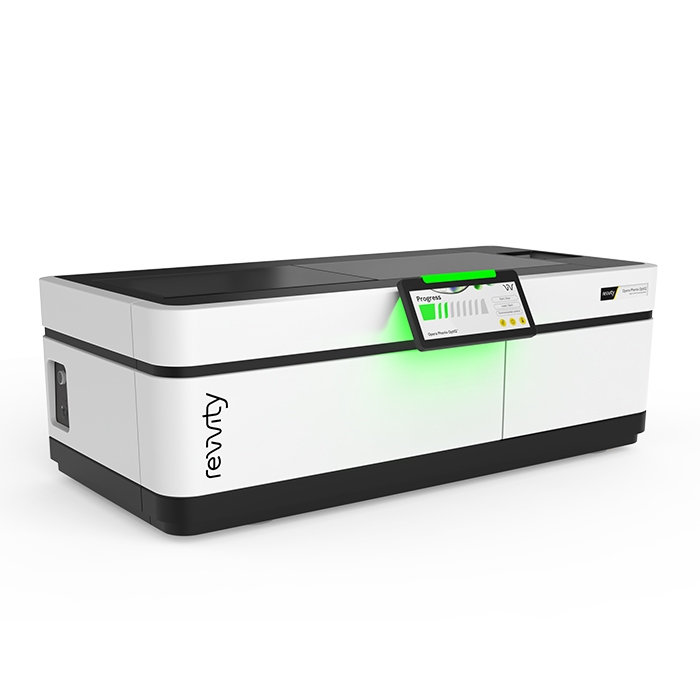
Opera Phenix OptIQ High-Content Screening System
The Opera Phenix OptIQ™ high-content imaging system delivers advanced confocal technology for complex, high-throughput applications. Built on two decades of innovation, this system excels at phenotypic screening and sophisticated imaging assays across diverse biological models including 3D organoids and organ-on-chip samples. Equipped with Harmony™ and Phenologic.AI™ image and analysis software, the Opera Phenix OptIQ offers an intuitive user interface for image acquisition, analysis, and evaluation.
What's new:
- >95% QE camera(s)
- Advanced laser-based autofocus
- Hypoxia applications
- 10x high NA lens
- Phenologic.AI classification tools
- Find Organoids building block
For research use only. Not for use in diagnostic procedures.

Opera Phenix OptIQ High-Content Screening System
Opera Phenix OptIQ High-Content Screening System
Part #:
HH25000000
Imaging Modality:
AI-based phase contrast, Brightfield, Confocal, Digital phase contrast, Fluorescence
Loading...
Imaging just got smarter with the Opera Phenix OptIQ System
Discover more
High content imaging provides a greater depth of information than other approaches, allowing you to explore cellular processes in detail.
Quantify in detail
Analyze phenotypic changes at scale, from single cells to entire populations. High-content imaging empowers detailed quantification.
Enhance 3D imaging
Water immersion objectives elevate 3D image quality, revealing intricate details within complex biological structures.
Boost throughput
Add more cameras to increase speed and efficiency. High-content imaging accelerates your research pipeline.
Video overview
Key features
Multiple cameras
Increase imaging speed by using up to four high-quantum efficiency cameras (>95% QE) and simultaneous multi-color acquisition, especially for extensive stacks for 3D models.
Microlens-enhanced spinning disk confocality
A pinhole and a microlens disk spinning in tandem for increased light efficiency. Pinhole distances suited for 3D samples, reducing out-of-focus light.
Automated water-immersion objectives
Improve image quality and get better data by enhancing the signal and improving the z resolution while capturing more light.
Proprietary Synchrony Optics
Reduced spectral crosstalk during simultaneous acquisition of multiple colors by separating adjacent fluorescence excitation and emission patterns, providing greater speed and higher sensitivity.
AI-based image analysis
Using pre-trained deep-learning image-analysis models, Phenologic.AI allows for segmentation and classification of cells in brightfield and fluorescent images for easier analysis of live and fixed cell assays.
Intelligent image acquisition
Image only the objects you are interested in, centered 3D models at high magnification, thereby reducing imaging time and data size.
Powerfully simple analysis
Harmony™ high-content imaging and analysis software can make you more productive faster with ready-made templates and simple steps to a custom analysis.
3D analysis
Explore your cell models by visualizing them in a 3D- and an XYZ-viewer and quantify volumetric and other 3D related phenotypic readouts.
Find Organoids building block
The Find Organoids building block within Harmony software can detect organoids in brightfield stacks using 2D or 3D detection with improved object splitting.
Applications
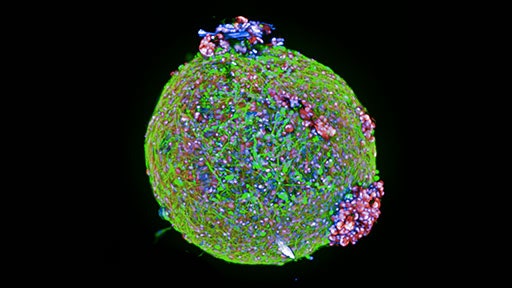
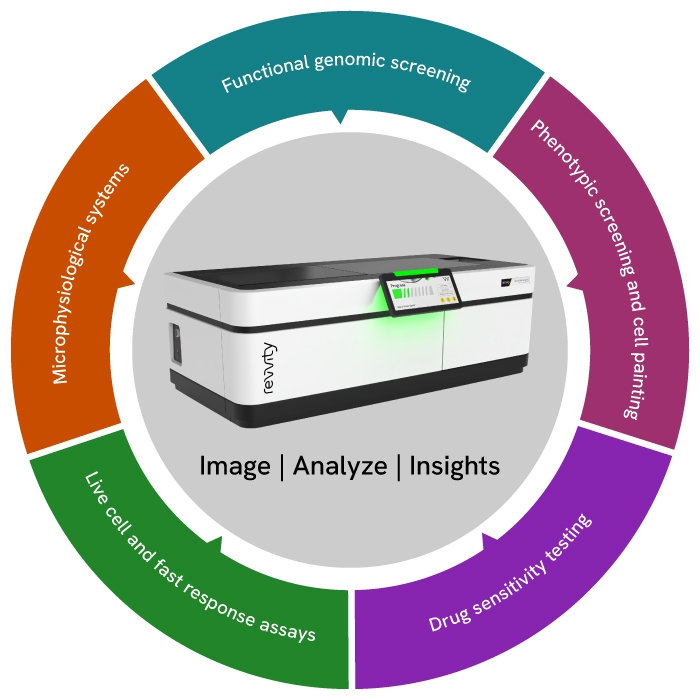
Microphysiological Systems (MPS)
Deep understanding of 3D cell models with clearer images that reveal critical features and processes.
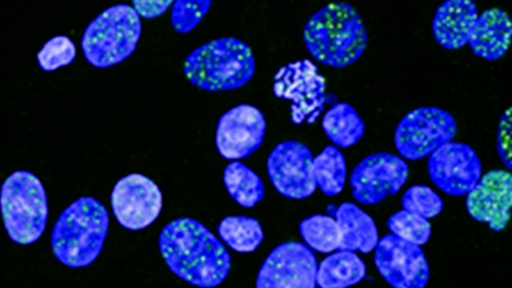
Functional genomic screening
Create genetic evidence with ease by phenotyping cellular response to thousands of gene manipulations in a single experiment.
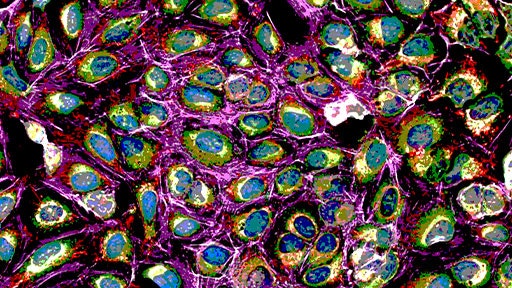
Cell painting
Simplify multiparametric screening with out of the box reagents and analysis to reduce complexity (and create more time for you to focus on the science).
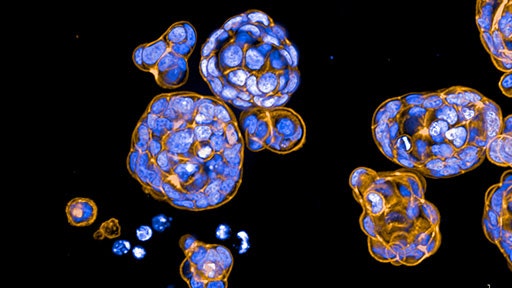
Drug sensitivity testing
Determine rational treatment selections by rapidly characterizing cellular function in response to drug treatment.
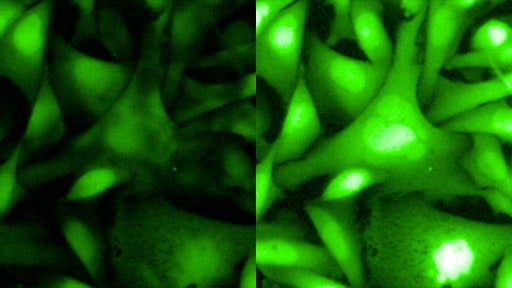
Fast response assays
Capture rapid cellular events and dynamic processes with fast frame rates and on-board liquid dispensing.
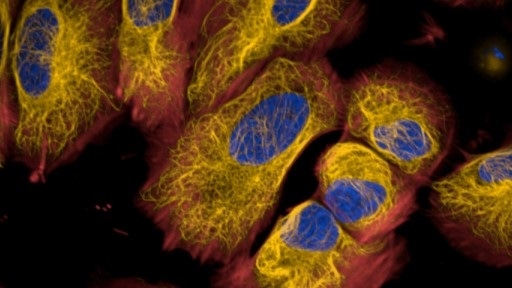
Hypoxic environment applications
Capture cellular images in low oxygen concentrations using the onboard environmental control chamber allowing cells to be imaged in a more realistic physiological condition.
Opera Phenix OptIQ family: typical configurations
Opera Phenix OptIQ Single
The same sensitivity and resolution as the rest of the Phenix family, with the ability to upgrade later with additional cameras.
Opera Phenix OptIQ Simultaneous
Higher speed, dual-camera system for multi-color, simultaneous confocal image acquisition and fast multiplexing.
Opera Phenix OptIQ FRET
With its five lasers and four-camera setup, it supports CFP/YFP FRET applications to map protein-protein interactions.
Opera Phenix OptIQ Screener
With advanced throughput and performance, it delivers four cameras and four higher powered lasers - supporting screening of large libraries.
Configuration details
| Single | Simultaneous | FRET | Screener | ||
|---|---|---|---|---|---|
| Number of cameras (confocal) | 1 | 2 | 4 | 4 | |
| Lasers | 375/425 nm | - | - | ✓ | - |
| 405 nm | ✓ | ✓ | - | ✓ | |
| 488 nm | ✓ | ✓ | ✓ | ✓ | |
| 561 nm | ✓ | ✓ | ✓ | ✓ | |
| 640 nm | ✓ | ✓ | ✓ | ✓ | |
| System options | Environmental control | ✓ | Optional | ✓ | Optional |
| Water immersion lenses | ✓ | ✓ | ✓ | ✓ | |
| Transmitted light | ✓ | ✓ | ✓ | ✓ | |
| On-board liquid handling | - | Optional | Optional | Optional | |
| Robotics / Automation compatible | ✓ | ✓ | ✓ | ✓ | |
| Imaging modes | Minimal crosstalk imaging | ✓ | ✓ | ✓ | ✓ |
| Ratiometric FRET | Suitable | Suitable | Suitable (CFP/YFP) | Suitable | |
| 3D imaging | ✓ | ✓ | ✓ | ✓ | |
| Multi-color fluorescence imaging | ✓ | ✓ | ✓ | ✓ | |
| Multi-color simultaneous confocal imaging | - | ✓ | ✓ | ✓ | |
| Brightfield and digital phase contrast | ✓ | ✓ | ✓ | ✓ | |
| Fluorescence widefield imaging | ✓ | ✓ | ✓ | ✓ | |
| Fast frame rate imaging | ✓ | ✓ | ✓ | ✓ | |
| PreciScan (pre-scan, re-scan) | ✓ | ✓ | ✓ | ✓ |
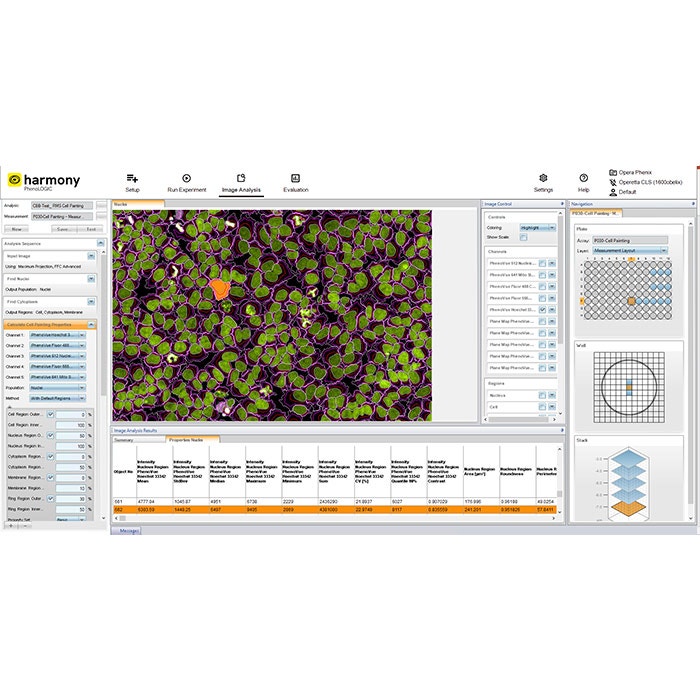
Image acquisition and analysis simplified with Harmony software
Intuitive workflow
Harmony software offers an intuitive user interface that guides you from image acquisition to analysis and evaluation.
Templates for quick set-up
Templates allow you to set up acquisition channels and parameters efficiently.
Ready-made solutions
Choose from pre-built solutions for common image analysis tasks, simplifying your workflow.
Customizable building blocks
Create, configure, and customize your own high-content analysis applications using image analysis building blocks.
Advanced features
Harmony includes advanced analysis capabilities, such as texture and STAR morphology analysis, providing detailed descriptions of cellular morphology and robust differentiation of phenotypes.
Data management
The software automatically stores analysis results and metadata, including assay layout, instrument settings, and user-defined keywords and annotations.
AI-based image analysis
Using pre-trained deep-learning image-analysis models, Phenologic.AI allows for segmentation and classification of cells in brightfield and fluorescent images for easier analysis of live and fixed cell assays.
Third-party application connection
Access greater flexibility with the Harmony Application Connector. Integrate compatible third-party applications, including Cellpose, within the Harmony environment.1,2
1Third-party applications are provided and licensed separately by their respective owners, under separate third-party terms. Customers are responsible for obtaining, licensing, deploying, and using any third-party software with the Harmony Application Connector in compliance with all applicable license terms. Revvity does not control, support or warrant third-party applications.
2Cellpose is a third-party open-source software tool and is not affiliated with, sponsored by or endorsed by Revvity. Cellpose and related names are the property of their respective owners.
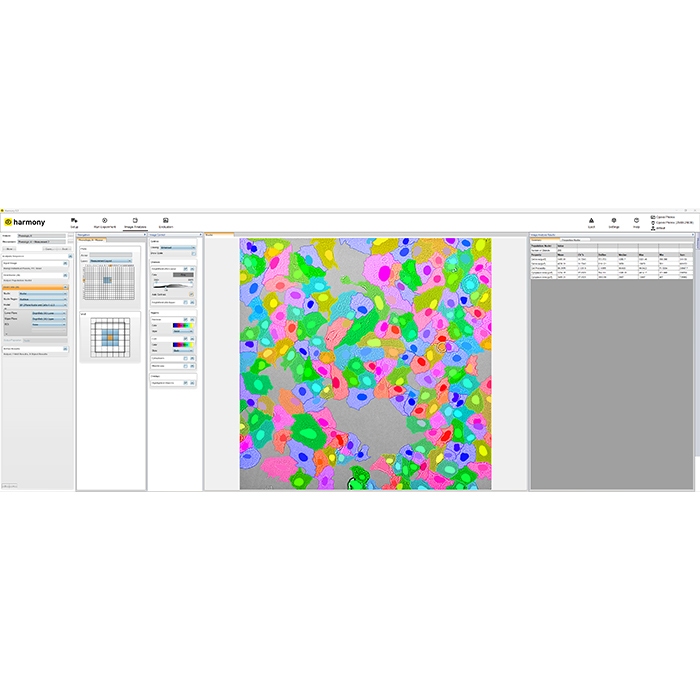
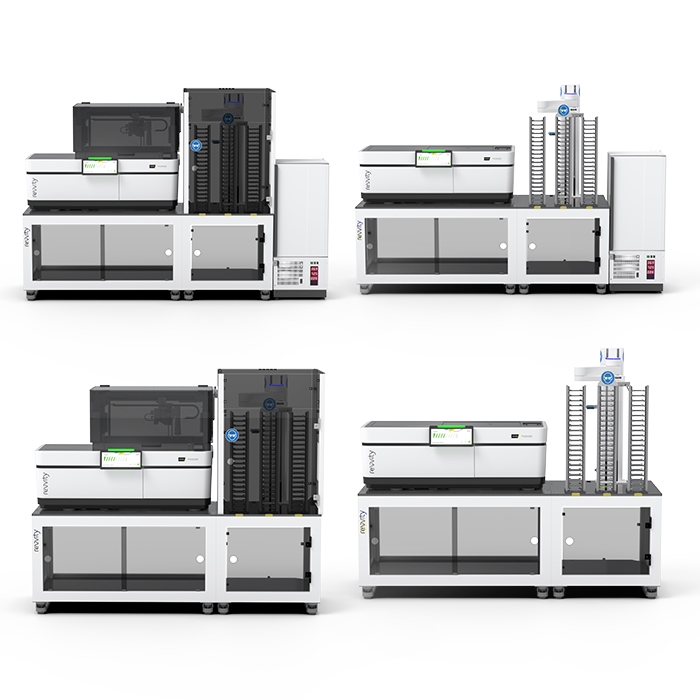
Scale smarter: Automate high-content imaging with the Opera Phenix OptIQ system
Peace-of-mind
plate:: handler™ FLEX automation and imaging options provided and serviced by Revvity, with a single point of contact.
Easy-to-use
Ready-to-use application templates covering major use cases.
Free-up resources, increase utilization and safeguard results
Supports autonomous 24x7 plate processing with plates to be imaged in sequence, in loops or following user-defined schedules Full barcode tracking is included.
Shared equipment use
Users can queue plates for imaging with user-specific methods and adjustable priorities within the software.
Grows with your needs
Seamless upgrade path, with plate::handler™ FLEX sharing the same hardware & software components as our larger full-workflow automation platforms.
Hypoxia options for incubator
Combine your automated set up with a hypoxia compatible incubator to enable applications under hypoxic conditions.
Progress faster with our verified solutions
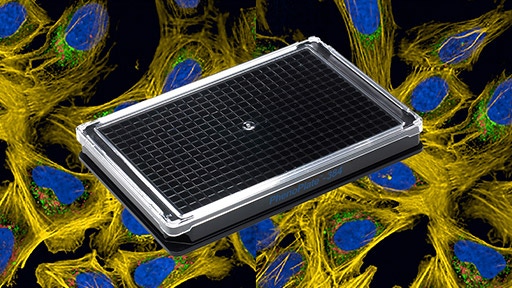
Microplates for high-content imaging
Utilize PhenoPlate™ 384-well microplates designed to support optimal performance in high-content imaging applications. Employ CellCarrier Spheroid ULA plates for imaging 3D models.

PhenoVue cellular imaging reagents
Ready-to-use kits and reagents with straightforward protocols. Extensively tested to provide optimal formulations and long-term stability.
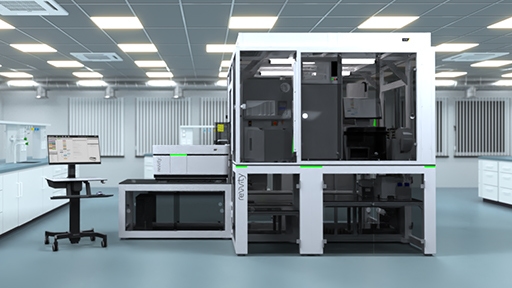
Automation and workstations
Improve throughput, productivity, and reduce variability and reagent costs. Benefit from automated workflows using the explorer™ G3 workstations for cell painting, 3D cell culture, or phenotypic screening.
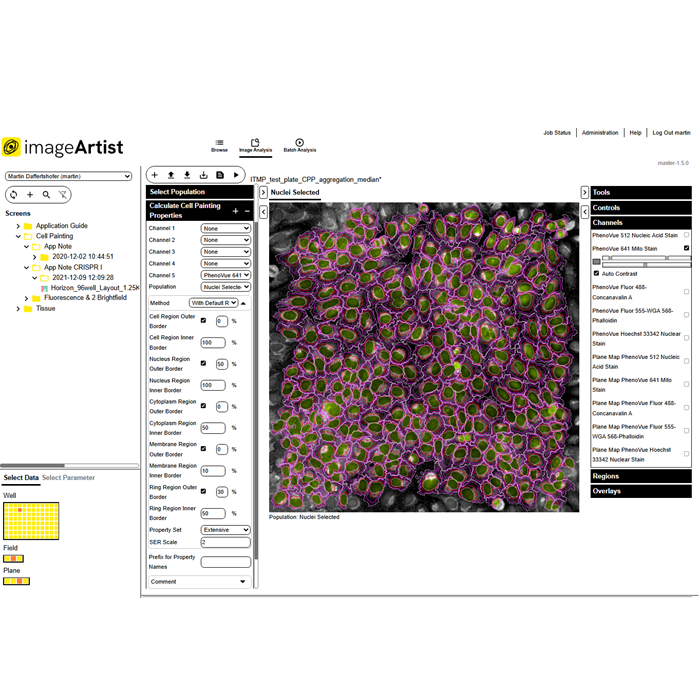
Efficient data management
Export results automatically into the Image Artist™ platform that uses high performance computing and an industry standard object store to provide a scalable, multi-user solution for image analysis and management.


Product information
Overview
Opera Phenix OptIQ high-content screening system for your most demanding high-content applications.
- Enhanced speed using a dual - or four-camera configuration with simultaneous imaging.
- Synchrony Optics™ combines a microlens-enhanced Nipkow spinning disk with a pinhole distance optimized for thick and 3D samples.
- Dual-view excitation of neighboring spectral channels minimizes crosstalk.
- Custom-designed high-NA water immersion objectives capture more photons and provide high-image resolution even in thick samples.
- Fast imaging frame rate of up to 100 fps and optional pipettor module captures fast cellular responses.
Specifications
| Automation Compatible |
Yes
|
|---|---|
| Brand |
Opera Phenix OptIQ
|
| Imaging Modality |
AI-based phase contrast
Brightfield
Confocal
Digital phase contrast
Fluorescence
|
| Unit Size |
1 unit
|
Citations
Resources
Are you looking for resources, click on the resource type to explore further.

Technical Note
How to perform successful long term live cell imaging in a high-content analysis system
Live cell imaging has gained importance within drug discovery over recent times, as researchers look for more meaningful insights...

Whitepaper
Huntington’s disease: progress and future perspectives
Dr. Robert Pacifici, Chief Scientific Officer at the CHDI Foundation, and Dr. Christian Landles, Senior Research Associate at...

Scientific Poster
Image analysis strategies for 3D Cell Painting assays featuring primary human hepatocyte spheroids.
This poster provides an overview of image analysis strategies for 3D cell painting assays featuring primary human hepatocyte...

Literature - Publication Review
Imaging and gene editing approaches highlight important role of autophagy in controlling Mtb infection
Macrophages are the primary host cells for Mycobacterium tuberculosis (Mtb) during its intracellular survival in humans, and it...
Literature - Publication Review
Imaging and gene editing approaches highlight important role of autophagy in controlling Mtb infection.
'Macrophages are the primary host cells for Mycobacterium tuberculosis (Mtb) during its intracellular survival in humans, and it...

Application Note
Imaging bile canaliculi in 3D liver microtissues
Analyzing transport of biliary metabolites is essential to predict pharmacokinetics and hepatotoxicity during drug development. A...
Loading...


How can we help you?
We are here to answer your questions.