


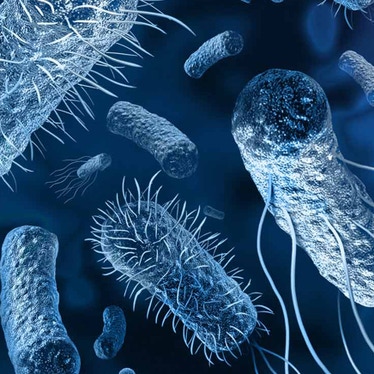
Extraction to analysis
Metagenomics workflows: 16 sequencing, WGS, and metatranscriptomics
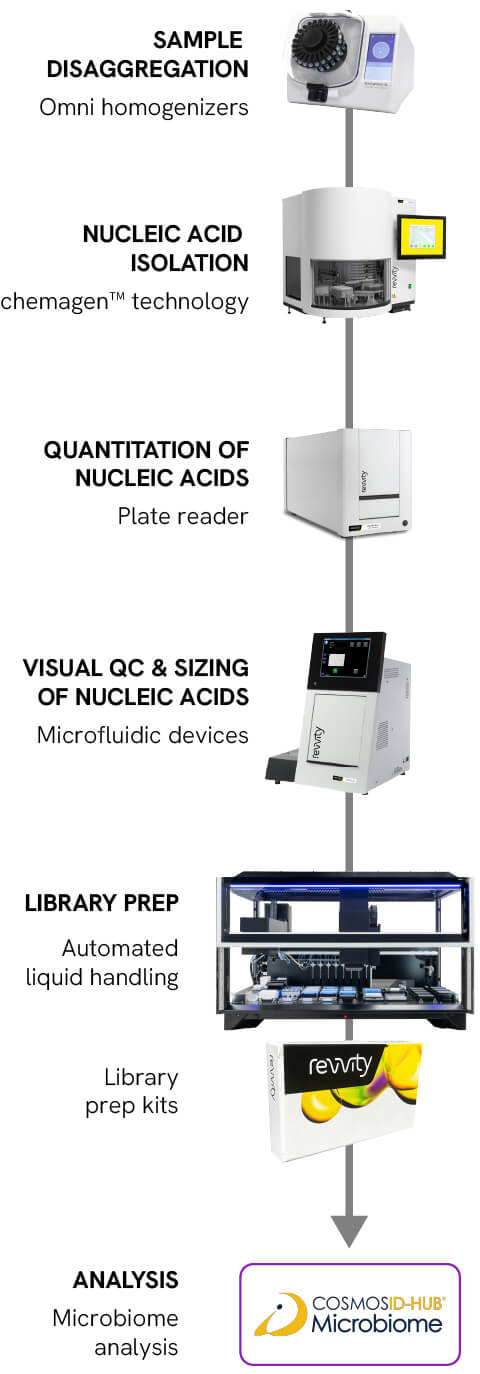
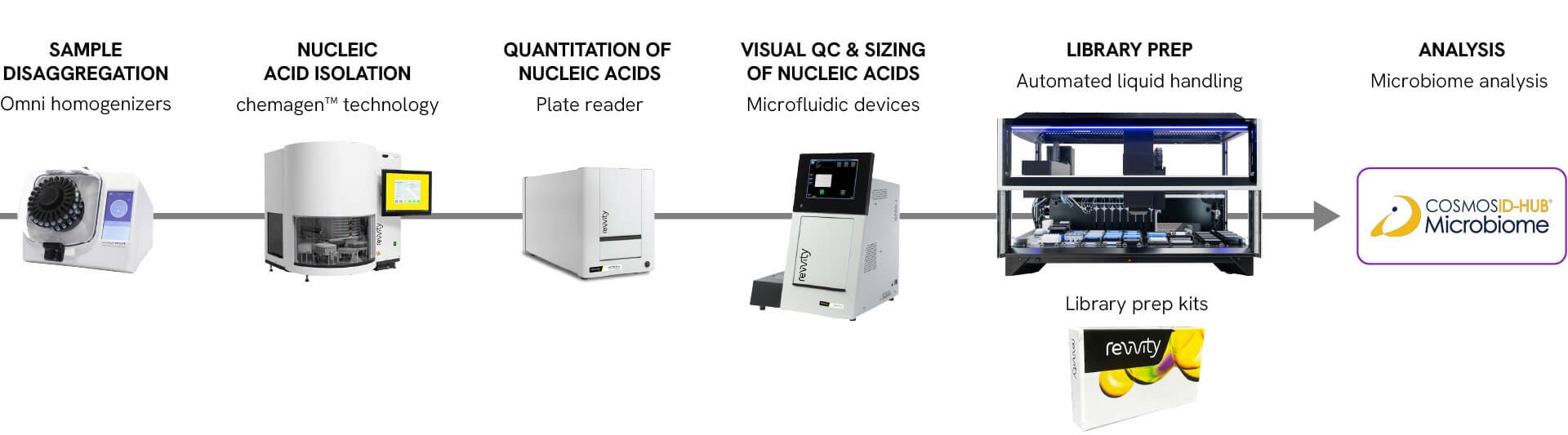
SAMPLE HOMOGENIZATION
Omni homogenizers
Omni Bead Ruptor bead mills, built on over 60 years of sample prep expertise, are indispensable powerhouse units for labs looking to transition from single, manual handheld preps to multi-sample processing for metagenomic workflows.
Nucleic acid isolation
chemagen™ technology
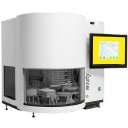
Nucleic acid extraction is a critical precursor to library preparation. High-quality, pure nucleic acids are essential for robust libraries. Discover the chemagic™ kits used on the chemagic instruments enabling a reliable nucleic extraction workflow for your metagenomic analysis.
Quantitation of nucleic acids
Plate reader
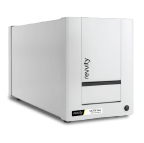
Quantitation of DNA and RNA prior to sequencing is an important step in the NGS library preparation workflow. Using the VICTOR Nivo™ plate reader to quantify samples and final libraries significantly reduces measurement time and increases throughput.
Visual QC sizing of nucleic acids
Microfluidic devices
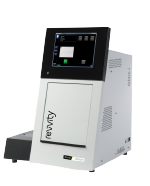
Improve your nucleic acid analysis with the LabChip® automated microfluidic capillary electrophoresis (micro-CE) technology and enable the analysis of genomic DNA and NGS libraries in seconds. Reporting is improved and simplified through the automatic generation of data as an electropherogram, virtual gel, or tabular report.
Automated library prep
Automated liquid handling
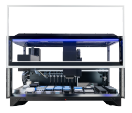
Revvity NGS liquid handlers' standardized deck configuration allows for complete liquid handling, thermal control, and waste management for the most complex application requirements in next generation sequencing sample preparation protocols. Revvity's liquid handler portfolio has validated protocols for several metagenomics NGS applications, including shotgun and 16S sequencing.
Reagents
Library prep kits
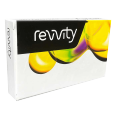
Revvity offer library prep solutions for your metagenomics needs including 16S rRNA sequencing, shotgun sequencing, and metatranscriptomics solutions enabling the analysis of microbial communities without culturing.
16S rRNA sequencing is a cost-effective NGS tool for identifying and comparing bacterial species in a sample. It uses the highly conserved 16S rRNA gene for genus and species identification, making it ideal for microbial profiling and phylogenetic studies.
Shotgun metagenomic sequencing samples all genes in a complex sample, assessing bacterial diversity and identifying microbial abundance and functional analysis.
Revvity also provides metatranscriptomics solutions, including directional RNA-seq library prep and CRISPR-Cas9 ribodepletion kits, to enhance the detection of biologically relevant transcripts in complex communities.
CosmosID-HUB
Online microbiome software

Select NEXTFLEX kits are available bundled with access to CosmosID-HUB, an online software solution that enables fast and easy analysis of complex microbiome data.
The CosmosID-HUB gives scientists user-friendly access to version-controlled and validated 16S and shotgun sequencing pipelines.
The machine-learning powered software also enables rapid data interpretation through a comparative analysis software.
Explore our solutions


Featured resources
FAQs
-
How do I choose between 16S and shotgun metagenomic sequencing?
16S amplicon sequencing is often used for cost-effective bacterial and archaeal community profiling, especially when studying large sample sets or comparing to existing 16S datasets. Shotgun metagenomic sequencing provides a broader DNA-based view of microbial communities and can support taxonomic profiling, functional pathway analysis, AMR gene detection, virulence factor analysis, and detection of non-bacterial organisms depending on sample type, sequencing depth, and analysis method.
-
When should I consider metatranscriptomics instead of DNA-based metagenomics?
Metatranscriptomics is useful when the goal is to study microbial gene expression rather than only which organisms or genes are present. Because it analyzes RNA, metatranscriptomics can help researchers understand which genes are being expressed across a microbial community under specific biological or environmental conditions.
-
Why is sample preparation important for metagenomics workflows?
Metagenomics samples can contain diverse organisms, inhibitors, host material, and variable microbial biomass. Consistent sample homogenization, nucleic acid extraction, quantitation, and QC can help reduce workflow variability and improve the quality of downstream library preparation, sequencing, and analysis.
-
Can metagenomics workflows be automated?
Yes. Automation can support higher-throughput metagenomics workflows by reducing hands-on time, limiting manual touchpoints, and improving consistency across sample preparation and library preparation steps. Revvity automation solutions support multiple NGS workflow steps, including extraction, library preparation, and QC integration.
-
Do I need bioinformatics experience to analyze metagenomics data?
Metagenomics analysis can be complex, especially for shotgun sequencing and large studies. Select NEXTFLEX kit configurations include access to Cosmos-Hub, which provides version-controlled pipelines and visualization tools for 16S and shotgun metagenomic sequencing data.



