


Learn more about these accessory solutions
Barcoded Adapters
Learn more about NEXTFLEX barcoded adapter options, including UDI and UDI-UMI formats for 384- and 1536-sample multiplexing.
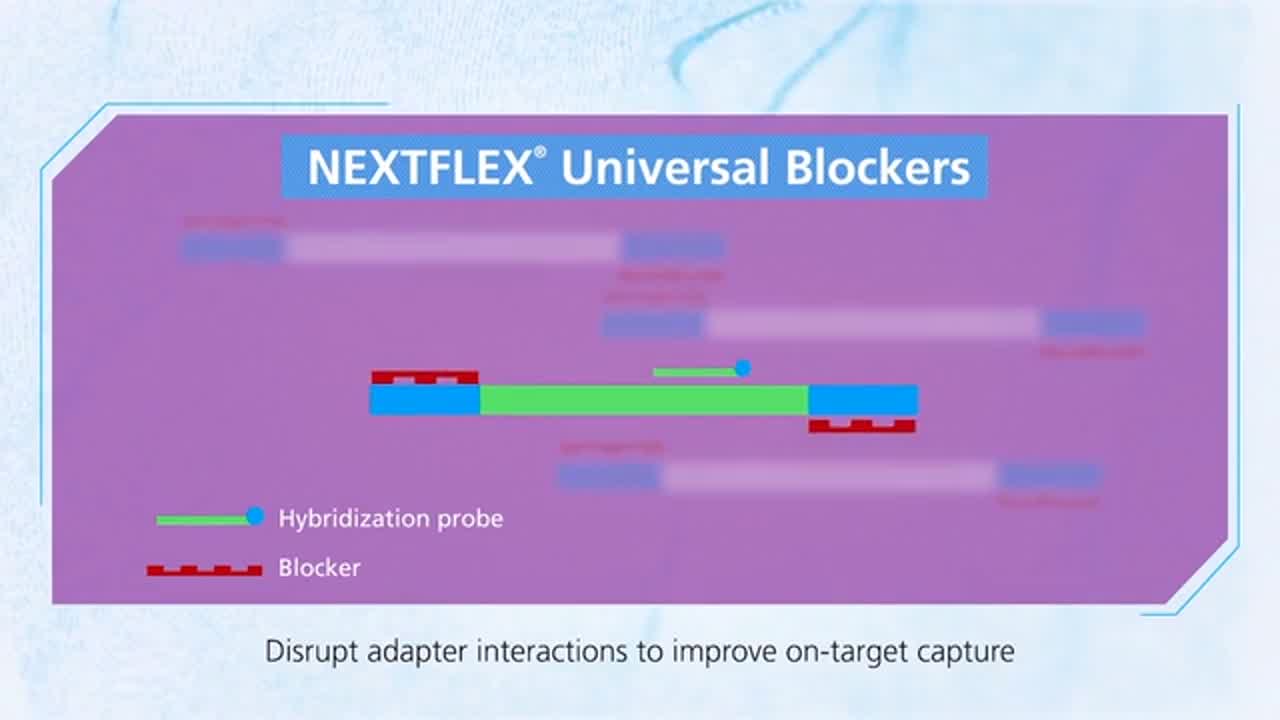
Universal Blockers
See how NEXTFLEX Universal Blockers are used to block non-specific adapter interactions during hybrid capture workflows.
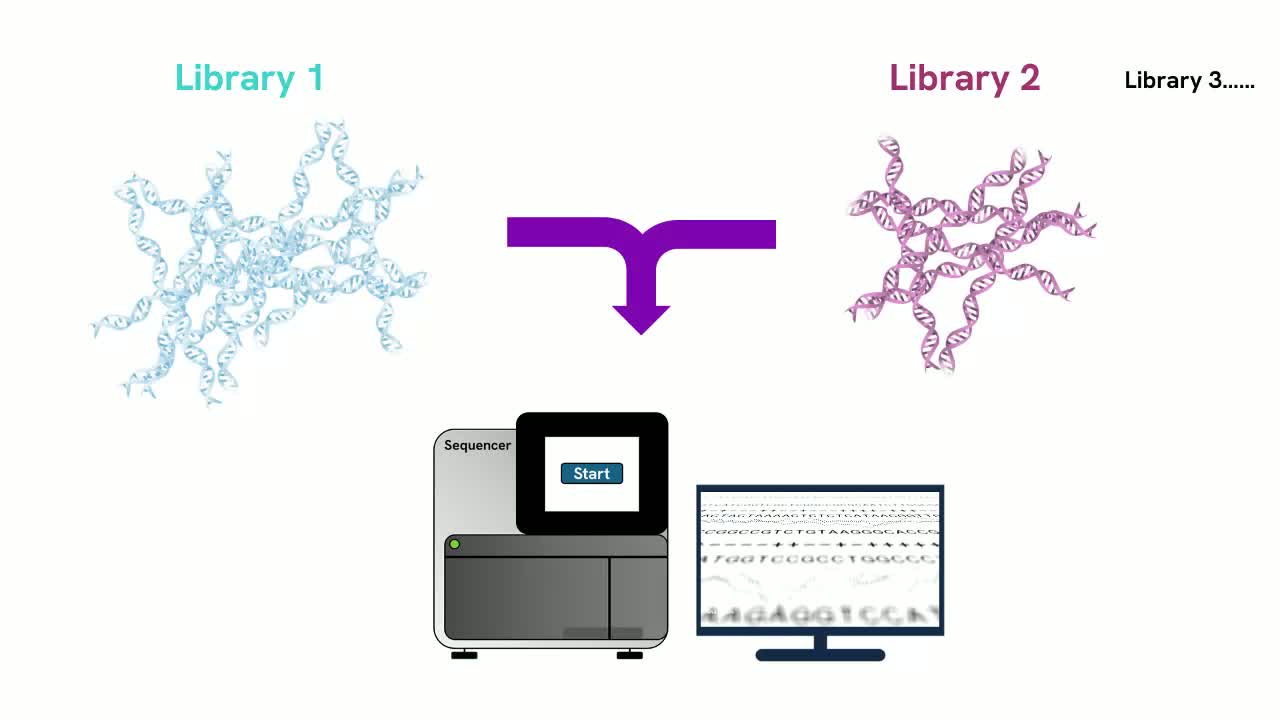
Library Normalization Beads & NGS Cleanup Beads
Explore bead-based solutions for library normalization, cleanup, and size selection in manual or automated NGS workflows.
Poly(A) Beads 2.0 & Ribonaut
Learn more about RNA workflow solutions for mRNA enrichment and ribosomal RNA depletion.
Cas9-gRNA Depletion Enzymes
See how targeted Cas9-gRNA depletion can be used to remove abundant background sequences from sequencing libraries.
Explore our solutions


Featured resources
FAQs
-
Do I need to change my core library prep chemistry to use NEXTFLEX accessories?
Not necessarily. Many NEXTFLEX accessories are designed to fit into existing workflows, making them a practical option when a full chemistry change is not the right move.
-
How do I choose the right accessory for my workflow?
Start with the workflow need. Adapters support indexing and multiplexing, universal blockers are used in hybrid capture workflows, normalization beads simplify pooling, cleanup beads support purification and size selection, Poly(A) beads enrich mRNA, Cas9-gRNA depletion enzymes target specific high-background sequences, and RiboNaut is used for ribosomal RNA depletion before library prep.
-
What is the difference between NEXTFLEX Cas9-gRNA Depletion Enzymes and RiboNaut?
NEXTFLEX Cas9-gRNA Depletion Enzymes are used to target specific high-background sequences, such as rRNA, globin, or mitochondrial-derived material, at the library stage. RiboNaut is used upstream of library preparation for ribosomal RNA depletion.
-
When should I use Poly(A) selection instead of depletion?
Poly(A) selection is used when the goal is to enrich for mRNA from total RNA. Depletion-based approaches are more appropriate when ribosomal RNA or other abundant transcripts need to be removed while retaining broader RNA content.
-
Which products are most useful for improving workflow efficiency without changing the full workflow?
Normalization beads, cleanup beads, blockers, and depletion modules are often good starting points because they can be added to targeted parts of the workflow without requiring a full library prep change.
-
Can these accessories support high-throughput workflows?
Yes. Products such as barcoded adapters, normalization beads, and cleanup beads can be especially useful in workflows where scale, consistency, and reduced manual handling matter.
-
Can I get help choosing the right accessory?
Yes. If you are comparing options or trying to match an accessory to an existing workflow, our team can help identify the best fit.



