US

Revvity Sites Globally
Select your location.
*e-commerce not available for this region.



IVISense Transferrin Receptor 750 Fluorescent Probe (Transferrin-Vivo)
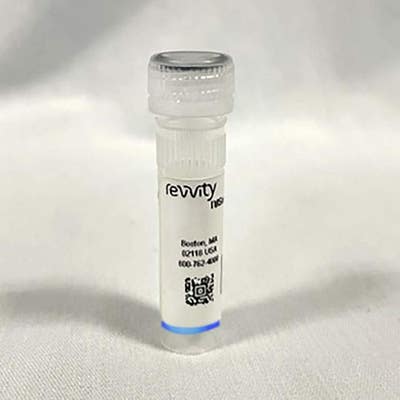
IVISense Transferrin Receptor 750 Fluorescent Probe (Transferrin-Vivo)
IVISense™ fluorescent imaging probes - optimized and validated on Revvity's IVIS® optical imaging platform
IVISense™ Transferrin Receptor 750 is a NIR fluorescent probe for imaging transferrin receptor levels in vivo. It detects changes in iron metabolism linked to cancer, inflammation, and drug-induced liver injury, as well as normal receptor expression in the liver. Transferrin plays a key role in iron transport, essential for cell growth and metabolism.
| Feature | Specification |
|---|---|
| Unit Size | 1 vial (10 doses) |
| Specificity | Transferrin receptor |
IVISense™ Transferrin Receptor 750 is a NIR fluorescent probe for imaging transferrin receptor levels in vivo. It detects changes in iron metabolism linked to cancer, inflammation, and drug-induced liver injury, as well as normal receptor expression in the liver. Transferrin plays a key role in iron transport, essential for cell growth and metabolism.
Product variant
Wave Length: 750 nm
Part #:
NEV10091
List price
USD 613.00
Your online price:
For research use only. Not for use in diagnostic procedures.
IVISense Transferrin Receptor 750 Fluorescent Probe (Transferrin-Vivo)
IVISense™ fluorescent imaging probes - optimized and validated on Revvity's IVIS® optical imaging platform
IVISense Transferrin Receptor 750 Fluorescent Probe (Transferrin-Vivo)
Loading...
Product information
Overview
IVISense Transferrin Receptor 750 is a targeted fluorescent imaging probe, where recombinant transferrin is conjugated to an IVISense fluorescent dye, designed to bind to transferrin receptors (TfRs) expressed in cancer cells. Because of rapid cell division and stringent demand for iron (for heme synthesis), many cancer cell types overexpress TfRs. It has been used as a targeting agent for cancer cells. In addition, TfR accumulates in locals of inflammation due to the leakage of plasma proteins and to the expression of TfR receptors by inflammatory cells. During inflammation monocytes leave the blood and differentiate into macrophages at the extravascular tissues, macrophages express surface Tf receptors.
Specifications
| Brand |
IVISense
|
|---|---|
| Fluorescent Agent Type |
Targeted
|
| Imaging Modality |
Fluorescence
|
| Shipping Conditions |
Shipped in Blue Ice
|
| Specificity |
Transferrin receptor
|
| Storage Conditions |
-30 to -16 °C
|
| Therapeutic Area |
Oncology
|
| Unit Size |
1 vial (10 doses)
|
| Wave Length |
750 nm
|
Resources
Are you looking for resources, click on the resource type to explore further.

Flyer
Best practices for designing an effective in vivo fluorescence imaging study
Fluorescence molecular imaging is the visualization of cellular and biological function in vivo to gain deeper insights into...

Application Brief
Characterization of NIR fluorophores for their potential in non-specific tissue accumulation

eBook
In vivo imaging solutions
Researchers trust our in vivo imaging solutions to give them reliable, calibrated data that reveals pathway characterization and...

Guide
IVISense fluorescent probe selector guide for oncology research
The goal of in vivo fluorescence molecular imaging is to enable non-invasive visualization and quantification of cellular and...

Application Note
Multiplex 2D imaging of NIR molecular imaging agents on the IVIS SpectrumCT platform
Epifluorescence (2D) imaging of superficially implanted mouse tumor xenograft models offers a fast and simple method for assessing...

Loading...


How can we help you?
We are here to answer your questions.