US

Revvity Sites Globally
Select your location.
*e-commerce not available for this region.



IVISense Hypoxia CA IX 680 Fluorescent Probe (HypoxySense)
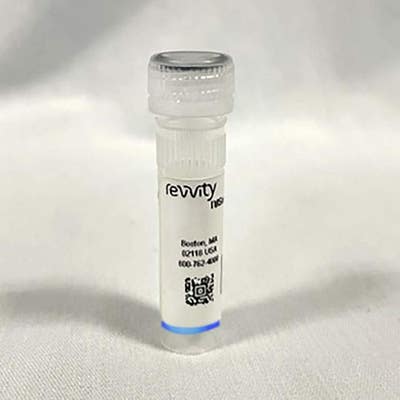
IVISense Hypoxia CA IX 680 Fluorescent Probe (HypoxySense)
IVISense™ fluorescent imaging probes - optimized and validated on Revvity's IVIS® optical imaging platform
IVISense™ Hypoxia CA IX 680 (HypoxiSense™ 680) is a carbonic anhydrase IX (CA IX) targeted fluorescent in vivo imaging probe that can be used to image CA IX overexpression in response to hypoxia. Oxygen deprivation is associated with several disease states including angiogenisis, pulmonary disease, inflammation, and cancer.
For research use only. Not for use in diagnostic procedures.
| Feature | Specification |
|---|---|
| Unit Size | 1 vial (10 doses) |
| Specificity | Carbonic Anhydrase IX |
IVISense™ Hypoxia CA IX 680 (HypoxiSense™ 680) is a carbonic anhydrase IX (CA IX) targeted fluorescent in vivo imaging probe that can be used to image CA IX overexpression in response to hypoxia. Oxygen deprivation is associated with several disease states including angiogenisis, pulmonary disease, inflammation, and cancer.
For research use only. Not for use in diagnostic procedures.
Product variant
Wave Length: 680 nm
Part #:
NEV11070
List price
USD 579.00
Your price:
For research use only. Not for use in diagnostic procedures.
IVISense Hypoxia CA IX 680 Fluorescent Probe (HypoxySense)
IVISense™ fluorescent imaging probes - optimized and validated on Revvity's IVIS® optical imaging platform
Loading...
Product information
Overview
In cancer, hypoxia occurs in tumors as a result of the poor ability of their disorganized vascular networks to deliver blood borne oxygen. IVISense Hypoxia CA IX 680 fluorescent imaging probe detects the tumor cell surface expression of carbonic anhydrase 9 (CA IX) protein, which increases in hypoxic regions within many tumors, especially in cervical, colorectal, non-small cell lung tumors. Pairing IVISense Hypoxia CA IX 680 agent with optical fluorescent imaging technology allows you to image and quantitate tumor sub-regions undergoing hypoxia-related changes, non-invasively and in vivo.
Specifications
| Brand |
IVISense
|
|---|---|
| Fluorescent Agent Type |
Targeted
|
| Imaging Modality |
Fluorescence
|
| Shipping Conditions |
Shipped in Blue Ice
|
| Specificity |
Carbonic Anhydrase IX
|
| Storage Conditions |
+2 to +8 °C
|
| Therapeutic Area |
Angiogenesis
Arthritis
Oncology
|
| Unit Size |
1 vial (10 doses)
|
| Wave Length |
680 nm
|
Resources
Are you looking for resources, click on the resource type to explore further.

Flyer
Best practices for designing an effective in vivo fluorescence imaging study
Fluorescence molecular imaging is the visualization of cellular and biological function in vivo to gain deeper insights into...

Application Brief
Characterization of NIR fluorophores for their potential in non-specific tissue accumulation

eBook
In vivo imaging solutions
Researchers trust our in vivo imaging solutions to give them reliable, calibrated data that reveals pathway characterization and...

Guide
IVISense fluorescent probe selector guide for oncology research
The goal of in vivo fluorescence molecular imaging is to enable non-invasive visualization and quantification of cellular and...


Loading...


How can we help you?
We are here to answer your questions.