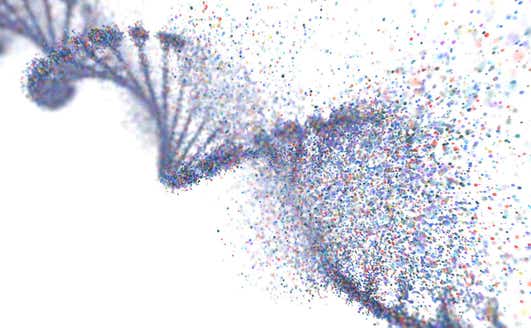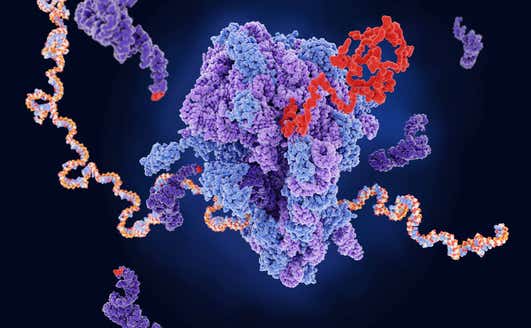

Whole blood is a highly informative sample type for transcriptomic studies, capturing systemic immune activity, inflammation, infection responses, and specific physiological states. However, it is also a challenging material for RNA sequencing because hemoglobin transcripts dominate the RNA pool. Reticulocytes present in peripheral blood contain large amounts of hemoglobin mRNA (HBA1, HBA2, HBB mainly), which can represent 52–76% of total RNA1.
As a result, sequencing reads are disproportionately consumed by globin transcripts, reducing sensitivity for biologically meaningful genes, increasing variability, complicating biomarker discovery, and driving up sequencing costs due to the need for deeper coverage.
Globin depletion
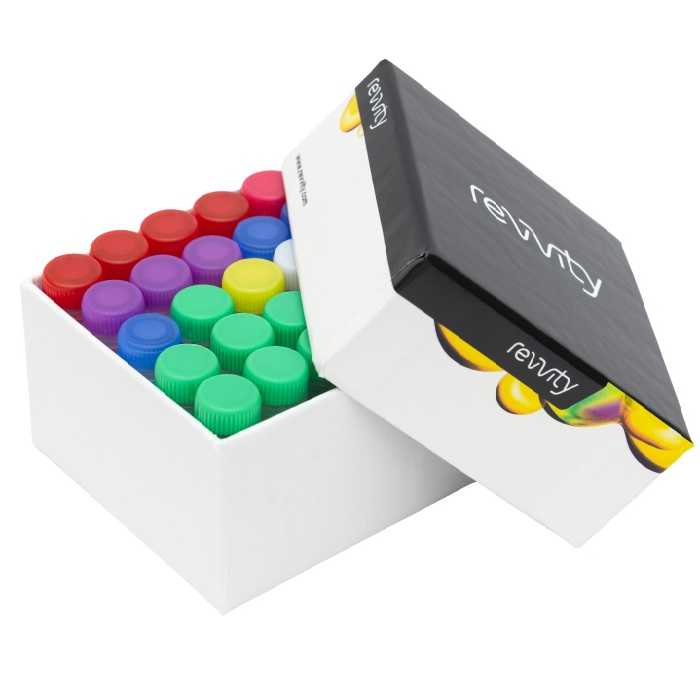 NEXTFLEX Cas9-gRNA Globin Depletion Enzyme (Human)
helps researchers deliver reproducible and biologically interpretable data. In infectious disease research, accurate detection of host–pathogen responses, such as type I interferon and cytokine pathways, requires sufficient representation of low-abundance transcripts, which can be masked by excess globin RNA2. Similar challenges arise in immuno-oncology, where blood-based signatures help stratify samples for immune checkpoint inhibitors, and in toxicology or pharmacodynamic studies that depend on quantifying modest changes in activation markers. Multiple studies show that reducing globin transcripts improves sensitivity and reproducibility in whole blood transcriptomics3.
NEXTFLEX Cas9-gRNA Globin Depletion Enzyme (Human)
helps researchers deliver reproducible and biologically interpretable data. In infectious disease research, accurate detection of host–pathogen responses, such as type I interferon and cytokine pathways, requires sufficient representation of low-abundance transcripts, which can be masked by excess globin RNA2. Similar challenges arise in immuno-oncology, where blood-based signatures help stratify samples for immune checkpoint inhibitors, and in toxicology or pharmacodynamic studies that depend on quantifying modest changes in activation markers. Multiple studies show that reducing globin transcripts improves sensitivity and reproducibility in whole blood transcriptomics3.
Overview of globin depletion strategies
Globin depletion can be performed through several targeted strategies that differ in mechanism, specificity, and workflow compatibility (Table 1). The traditional method is hybridization capture-based, where biotinylated oligonucleotides complementary to HBA1, HBA2 and HBB bind globin transcripts, allowing their removal via streptavidin magnetic beads. This method works with bulk total RNA workflows and is used with stabilized whole blood such as PAXgene samples. However, because hybridization capture relies on efficient target binding, it typically requires moderate input amounts (≥50ng), and efficiency may decline with low-input or partially degraded samples.
The method also introduces additional handling steps, making it poorly suited for long-read sequencing, which benefits from minimal manipulation to preserve full-length transcripts. Likewise, hybrid capture cannot be integrated into single-cell RNA-seq, where RNA is barcoded immediately upon cell lysis and cannot undergo depletion without destroying cell-specific indexing.
A second approach, RNase H enzymatic depletion, uses complementary DNA oligos to hybridize to globin mRNAs, forming RNA–DNA duplexes that RNase H selectively cleaves. Because the target RNA is enzymatically degraded, RNase H depletion is effective for samples with very high globin content and is frequently adopted in studies needing enhanced detection of low-abundance transcripts. However, this method also requires high input RNA (≥500ng in most published protocols) to ensure stable duplex formation and controlled digestion. This dependency, combined with the risk of off-target cleavage, limits its utility for low-input applications, including small clinical samples or leukocyte-poor blood fractions.
In addition, RNase H digestion can alter transcript-length profiles, making it less suitable for long-read sequencing, and it cannot be performed in single-cell workflows, where depletion must occur after barcoding.
The most recent and highly flexible strategy is Cas9-gRNA–based depletion, in which guide RNAs direct Cas9 to specific regions in globin cDNA (or other downstream steps during library preparation), generating double-stranded breaks that prevent these sequences from being amplified. Because Cas9 acts at the level of double-stranded DNA, this approach requires lower input amounts, working effectively with ultra-low inputs generated from rare or precious samples. CRISPR-based depletion is highly sequence-specific and compatible with virtually any RNA-seq workflow.
Importantly, unlike RNA-targeting methods, Cas9 cleavage can be integrated without compromising the performance of long-read sequencing, where full-length cDNA molecules can still be captured before targeted cleavage removes unwanted sequences. Similarly, this strategy can be used with single-cell RNA-seq, because depletion occurs after barcoding at the cDNA stage, preserving cellular identity.
For these reasons, Cas9-based depletion offers a powerful, scalable solution for maximizing usable reads, improving sensitivity, reducing sequencing costs, and enabling advanced applications such as long-read isoform profiling and high-resolution single-cell transcriptomics.
| Method | Input requirement | Benefits | Caveats / limitations |
|---|---|---|---|
| Hybridization capture | ≥50 ng | Simple workflow; automation-friendly; widely used | Variable efficiency; off-target hybridization; not suitable for low-input samples, long-read or single-cell applications. |
| RNase H enzymatic depletion | ≥500 ng | Very effective for high globin loads; improves detection of low-abundance transcripts | Requires optimization; risk of off-target cleavage; unsuitable for low-input or degraded samples, long-read or single-cell applications. |
| Cas9-gRNA enzymatic depletion | Single-cell level | Simple workflow; automation-friendly; highly specific; preserves transcript integrity; ideal solution for long-read and single cell sequencing workflows | Requires careful guide design |
Table 1. Comparison of the different methods available for globin depletion. Input requirements are based on published protocols from different vendors.
Featured products
References
- Mastrokolias, A., et al (2012). Increased sensitivity of next generation sequencing-based expression profiling after globin reduction in human blood RNA. BMC Genomics. 13:28. doi: 10.1186/1471-2164-13-28.
- Arunachalam, P.S. et al (2020). Science. 369(6508):1210-1220. doi: 10.1126/science.abc6261.
- Shin, H., et al (2014). Variation in RNA-Seq transcriptome profiles of peripheral whole blood from healthy individuals with and without globin depletion. PLoS One. 9(3):e91041. doi: 10.1371/journal.pone.0091041.
For research use only. Not for use in diagnostic procedures.